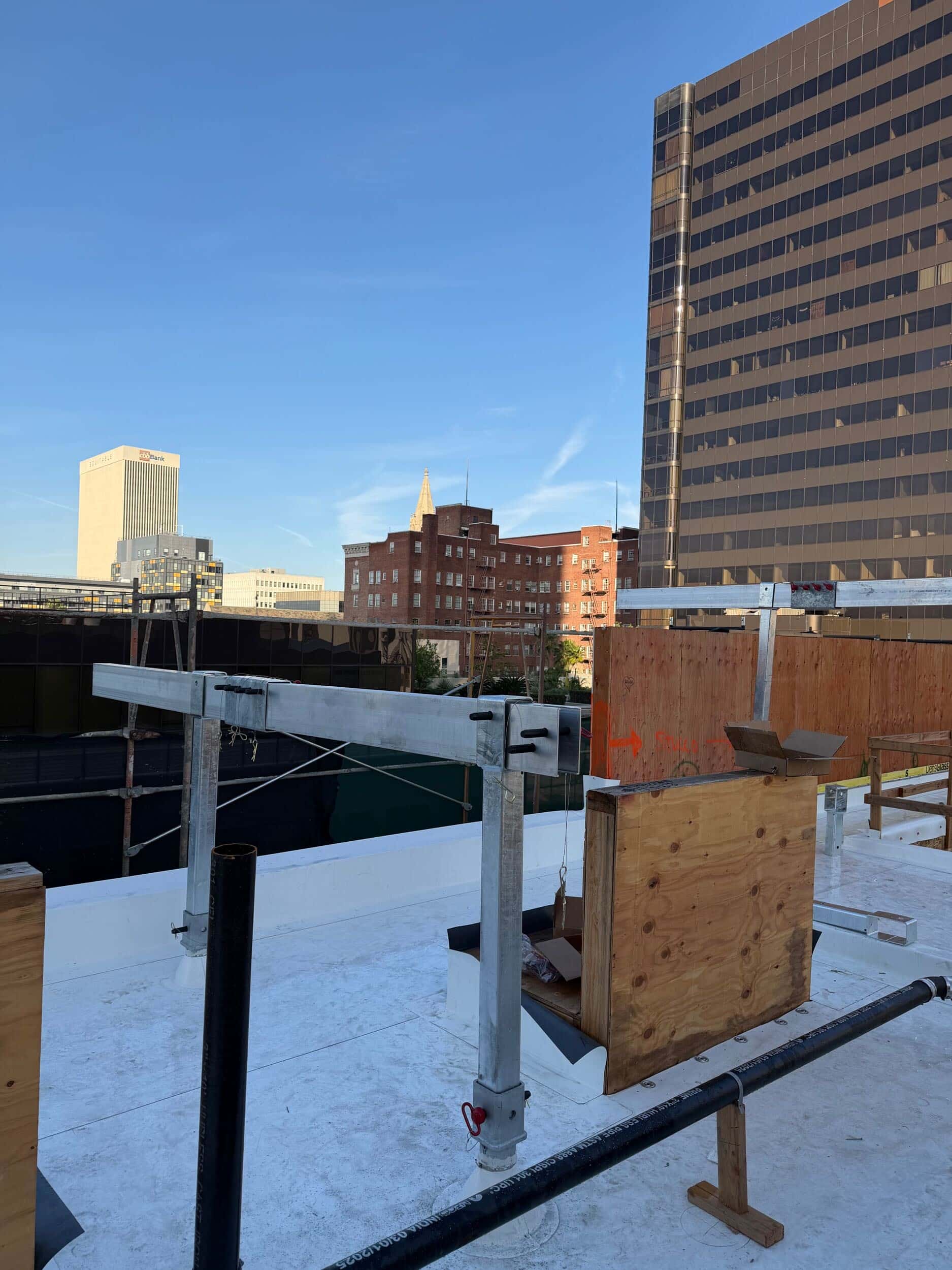
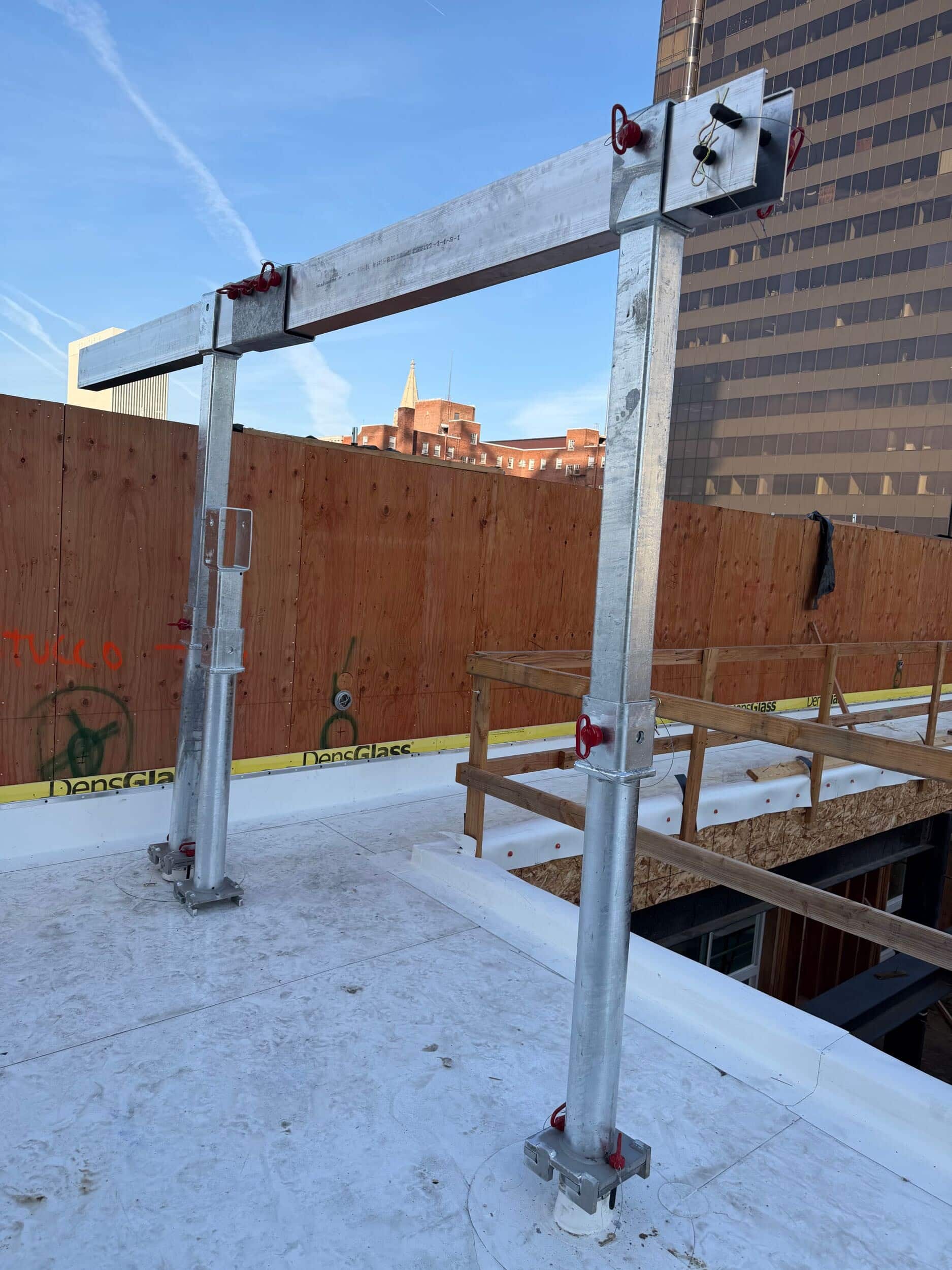
Fixed Outrigger Systems

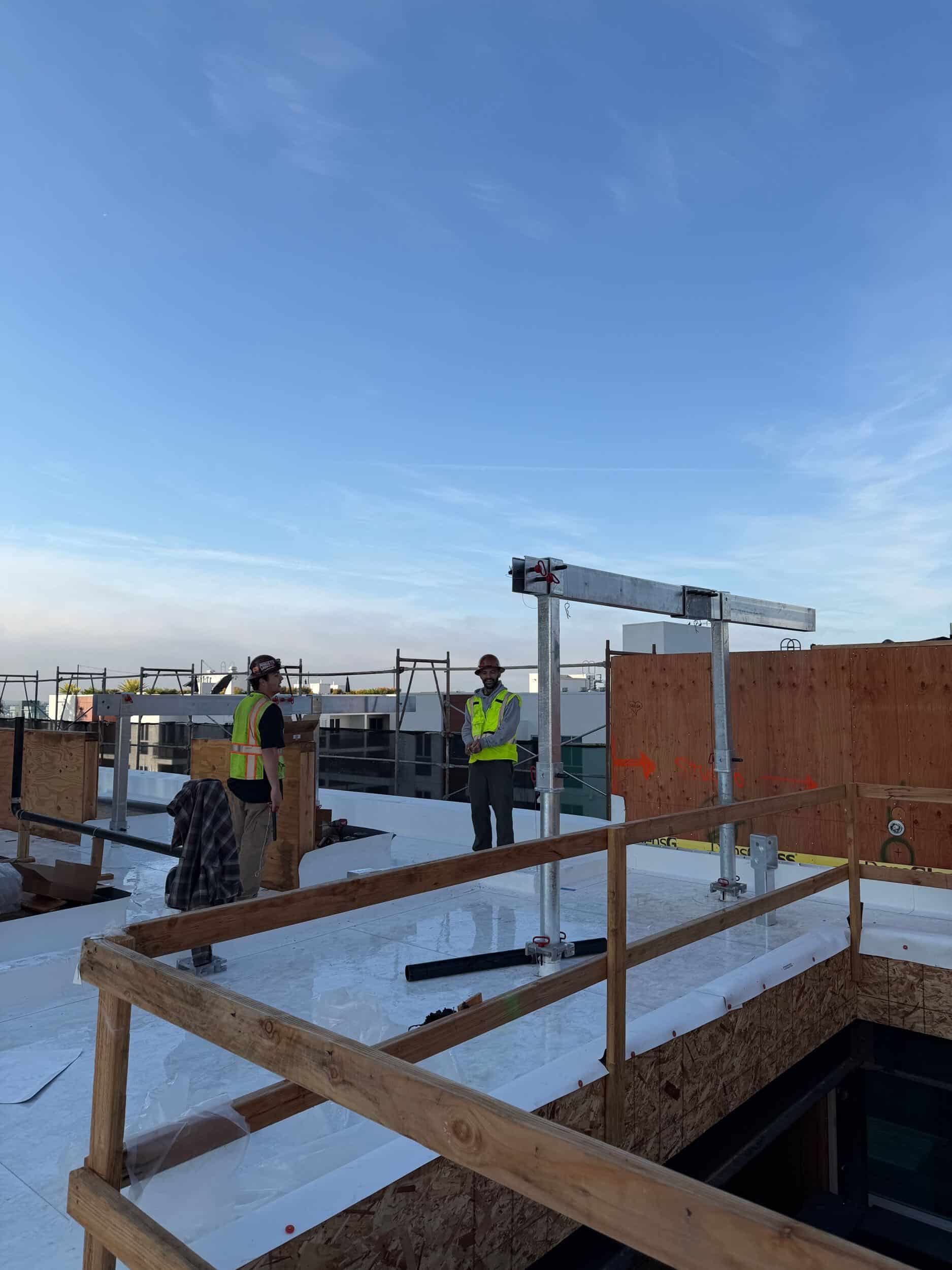
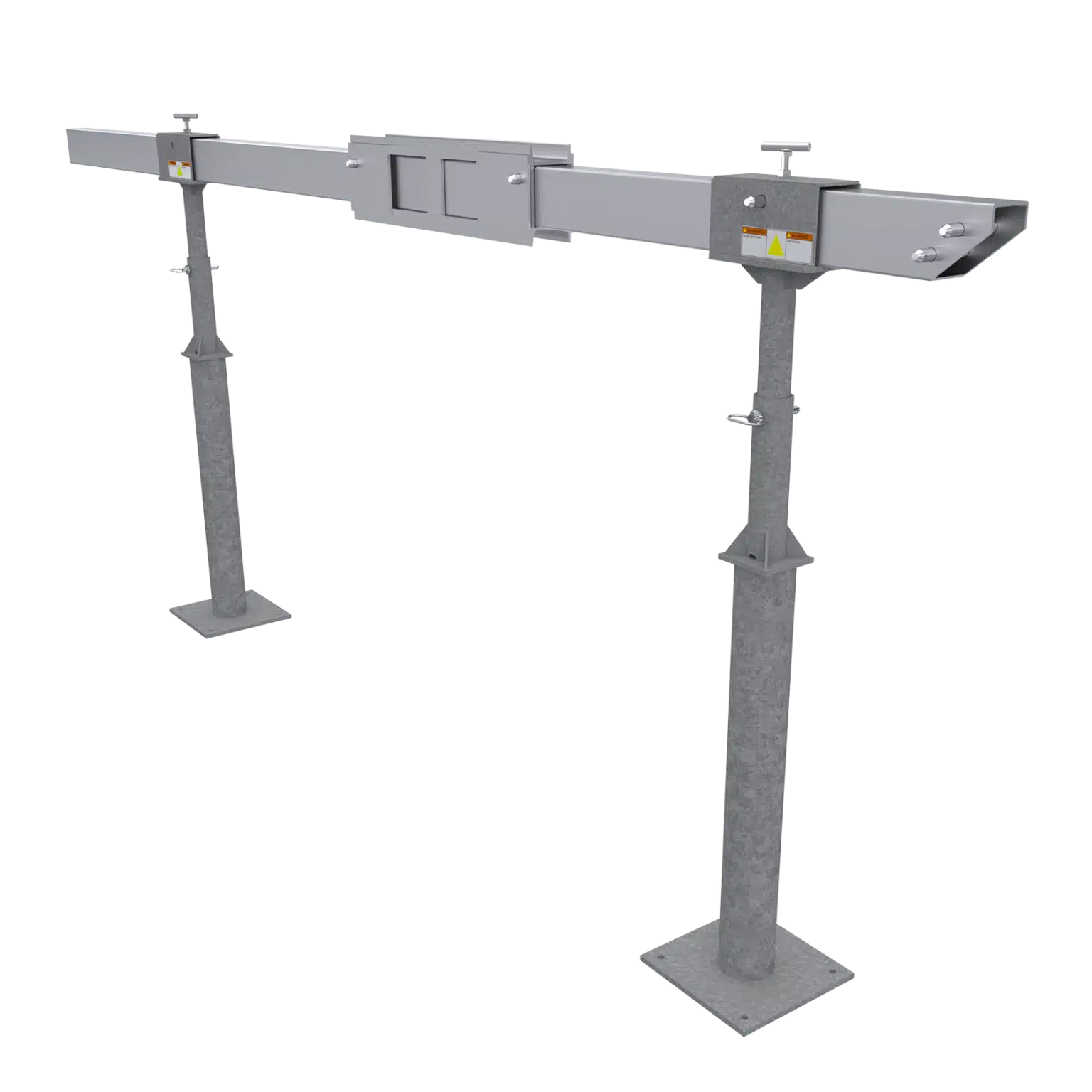
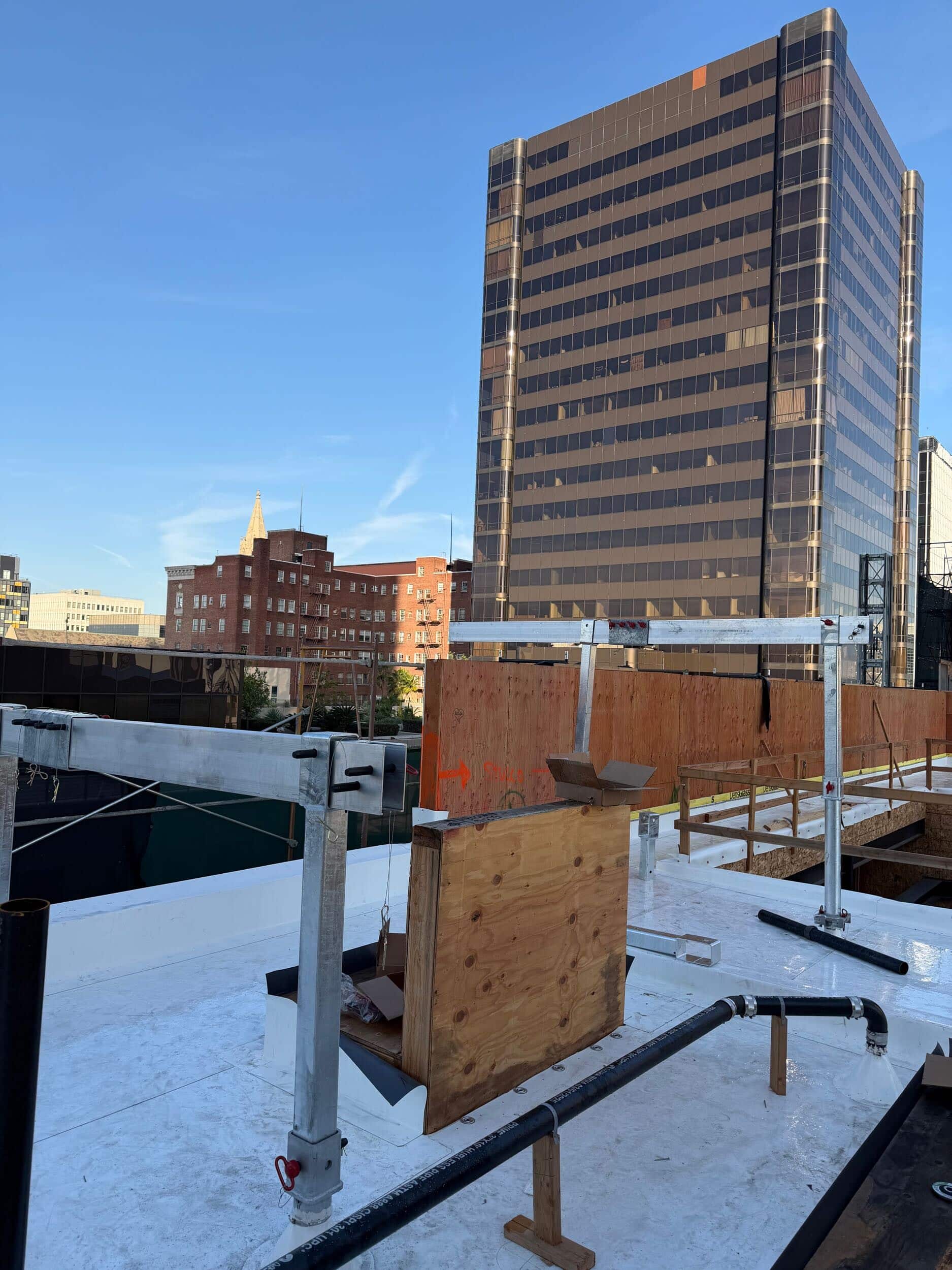
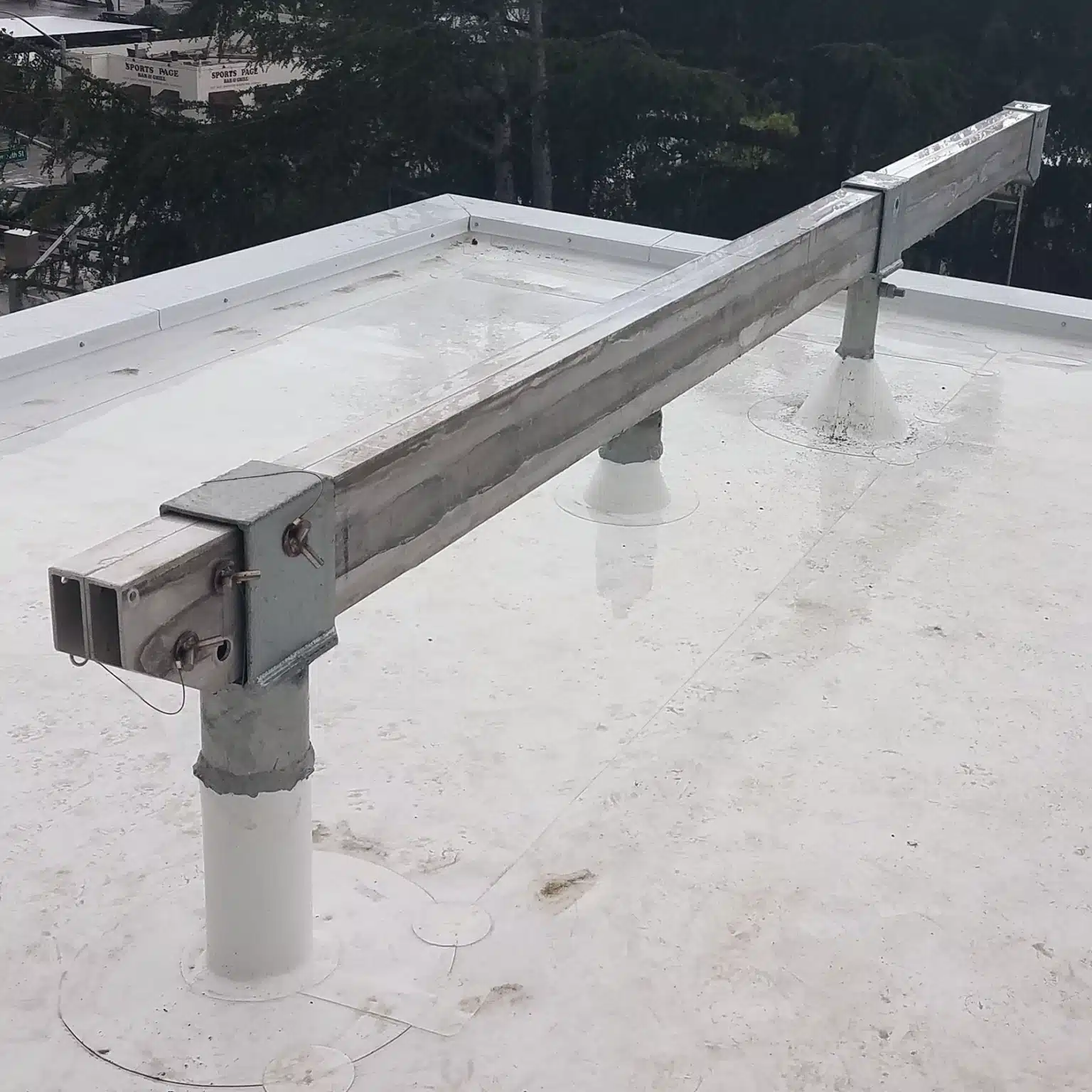
Fixed roof outrigger systems are permanent façade access structures designed to support suspended platforms and exterior building maintenance (EBM) operations. On buildings throughout California, these systems provide a stable, engineered solution for accessing vertical façades while safely transferring loads into the building’s structural frame.
 
Because they support suspended workers and equipment, fixed outrigger systems must be engineered, integrated, and maintained in accordance with Cal/OSHA Title 8 requirements for building maintenance systems and suspended access equipment.
 
Title 8 Builders provides design, engineering, installation, inspection, and upgrade services for fixed outrigger systems, delivering both custom-engineered solutions and prefab system integrations depending on project requirements.
Request an Engineering Consultation →

What Are Fixed Roof Outrigger Systems?

Fixed outrigger systems are structural assemblies installed at the roof level that extend beyond the building edge to support suspended access equipment such as:

  • swing stages (suspended scaffolds)
  • rope descent systems
  • maintenance platforms
  • façade access equipment

Unlike roof davit systems, which often use removable arms, fixed outriggers are permanently integrated into the building structure and designed for long-term use.

Under Cal/OSHA Title 8 §3281, outriggers are defined as structural members used to support suspended platforms, making them a core component of façade access systems.

How Fixed Outrigger Systems Are Used

Fixed outriggers are commonly used on buildings where:

  • continuous façade access is required
  • suspended platforms must be deployed regularly
  • permanent structural support is preferred

Typical applications include:

  • high-rise window cleaning
  • façade restoration and inspection
  • waterproofing and sealant work
  • exterior maintenance operations

These systems provide a consistent and repeatable method of accessing the building envelope.

Schedule an On-Site Assessment →


Engineering and Structural Design Considerations

Structural Load Path

outrigger → structural connection → building frame

Proper load path design ensures forces are transferred into structural members such as:

  • steel beams
  • reinforced concrete slabs
  • structural columns

Without proper engineering, loads may be transferred into non-structural elements, creating serious safety risks.

Anchorage and Tie-Back Requirements

An outrigger system must be stabilized using properly designed anchorage systems.

  • structurally supported
  • engineered as part of the system
  • capable of handling imposed loads

See how tie-back anchors integrate with suspended systems.

Safety Factors and Load Design

Outrigger beams must be designed with appropriate safety factors.

Cal/OSHA requires a minimum safety factor of four for outrigger beams supporting suspended platforms, ensuring stability under load.

Custom vs Prefabricated Systems

Custom Engineered Systems

  • complex building geometry
  • variable structural conditions
  • unique façade access requirements

Prefabricated Systems

  • consistent building layouts
  • standard configurations
  • faster deployment needs

Even prefab systems must be properly engineered and integrated to meet compliance and performance requirements.

Request Engineering Support →

Inspection, Testing, and Lifecycle Management

  • inspection before initial use
  • annual inspection minimum
  • ongoing maintenance for safe operation

Inspection programs evaluate structural integrity, anchorage condition, connection points, and corrosion or wear.

Learn more about inspection and recertification.

Buildings That Require Fixed Outrigger Systems

  • high-rise commercial buildings
  • hospitals and healthcare facilities
  • hotels and residential towers
  • universities and campuses
  • large mixed-use developments

Supporting Cal/OSHA Compliance

Façade access systems must meet California safety regulations for suspended equipment.

Under Cal/OSHA Title 8 §3294, systems must be designed under the supervision of a qualified engineer and safely sustain imposed loads.

Schedule an On-Site Assessment →

Frequently Asked Questions

What is the difference between fixed outriggers and davit systems?

Fixed outriggers are permanently integrated into the building, while davit systems often use removable arms and base sockets.

Do fixed outrigger systems require engineering?

Yes. These systems must be engineered to ensure structural integrity and compliance with safety regulations.

Can outriggers be added to existing buildings?

Yes. Retrofit systems can be designed after evaluating the building’s structural capacity.

How often do outriggers need inspection?

Facade access systems must be inspected before use and at least annually.

Are prefab systems compliant?

Prefab systems can be compliant if they are properly engineered and integrated into the building structure.