
Permanent Roof Anchors
Engineered Tie-Off Points for Fall Protection Systems
Permanent roof anchors are engineered anchorage points designed to provide reliable, long-term fall protection for workers operating at height. These systems form the backbone of rooftop safety by giving workers secure anchor points for fall arrest systems during maintenance, construction, and inspection activities.
In California, permanent rooftop anchors must be engineered, installed, and maintained in accordance with Cal/OSHA Title 8 requirements, with strict standards governing anchorage strength, placement, and structural integration.
Title 8 Builders provides permanent roof anchor installation for new construction and existing roofs, including custom, pre-engineered, and retrofit permanent rooftop anchor systems. Our solutions are designed for compliance, durability, and real-world use.


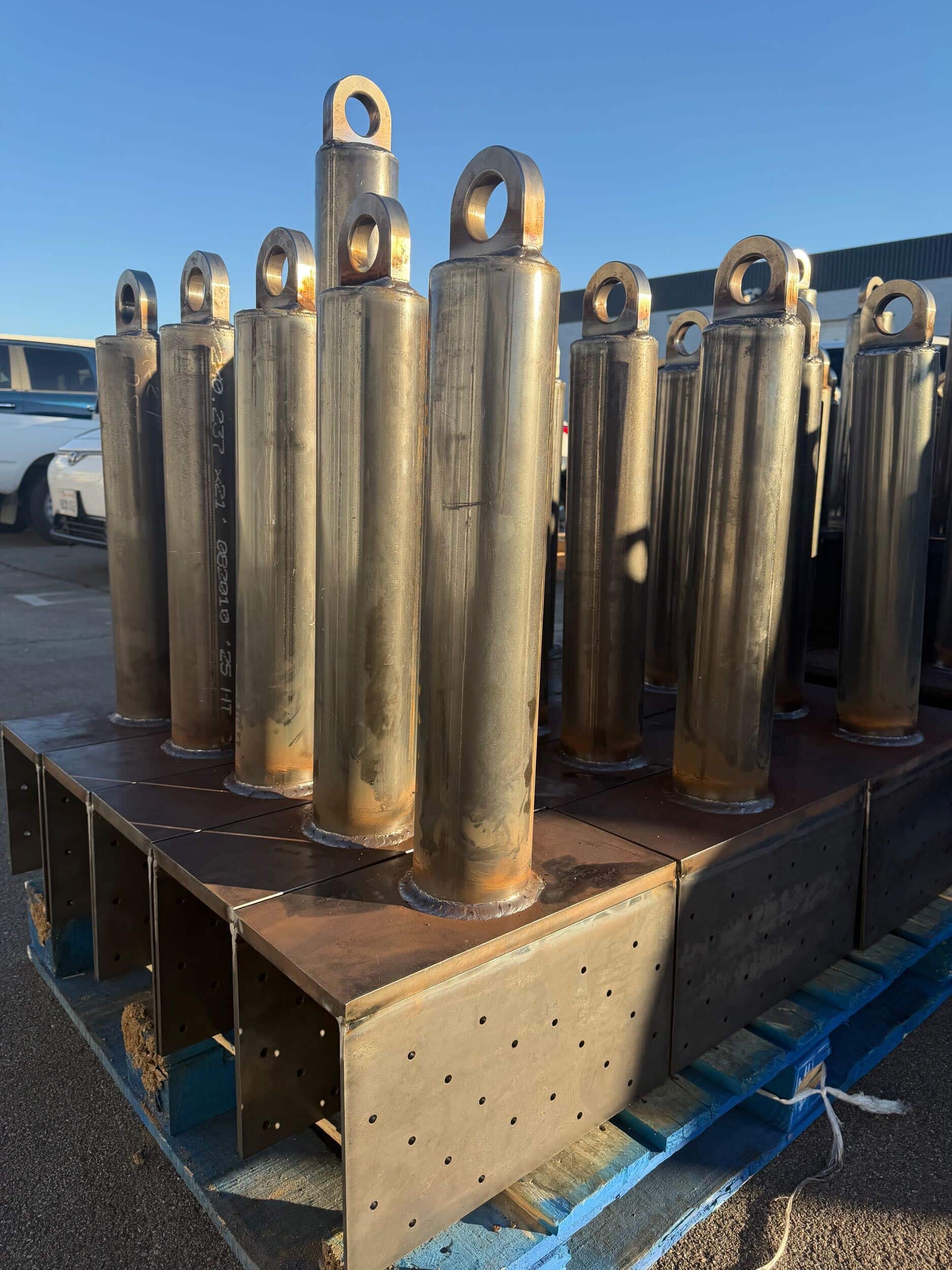
What Are Permanent Rooftop Anchors?
Permanent rooftop anchors (also referred to as permanent anchors or roof anchor points) are fixed anchorage points installed on a building’s roof structure to support fall protection systems. Each anchor point may be designed for either fall arrest or fall restraint applications, such as:
- personal fall arrest systems (PFAS)
- horizontal lifeline systems
- vertical lifelines
- rope access systems
These anchors provide designated tie-off points that allow workers to safely perform tasks near roof edges, mechanical equipment, and other elevated areas.
Under Cal/OSHA Title 8 §1670, anchorages used for fall arrest must support at least 5,000 pounds per attached worker, or be part of an engineered system with a safety factor of at least two.
Why Permanent Rooftop Anchors Are Critical
Rooftops are one of the most common locations for fall exposure. Workers rely on fall restraint or fall arrest systems connected to roof anchors to reduce fall hazards.
Workers performing:
- HVAC maintenance
- equipment servicing
- inspections
- façade access operations
They are often required to work near edges or elevated hazards.
- workers may not have safe tie-off points
- fall protection systems may be improperly used
- liability and risk increase significantly
Anchor locations should be selected to minimize swing fall hazards and support safe access during maintenance work. Permanent rooftop anchors create consistent, repeatable, and compliant safety conditions for ongoing operations.
Request Engineering Consultation for Rooftop Anchor Systems →
Types of Permanent Rooftop Fall Protection Anchors
Cast-In Anchors
Cast-in anchors are installed during new construction and embedded directly into structural elements such as concrete slabs and structural steel. These anchors provide high structural integrity, seamless integration into the building, and long-term durability.
Post-Mounted Anchors
Post-mounted anchors are installed on existing rooftops and are commonly used for retrofit applications. They are designed to attach to structural members beneath the roof system while minimizing disruption to existing structures. Their retrofit installation varies by roof type, anchor compatibility, and roofing material.
Custom Fabricated Anchors
Some projects require custom anchor solutions due to unique rooftop layouts, structural constraints, or specialized access requirements. Title 8 Builders provides in-house fabrication to support these conditions.
Integrated Anchor Systems
Permanent rooftop anchors are often part of a larger system and can be integrated with horizontal lifelines, vertical lifelines, and façade access systems for continuous protection.
Engineering and Structural Design Considerations
Anchorage Strength Requirements
Under Cal/OSHA Title 8 §1670, anchors must support 5,000 pounds per worker or be engineered with a safety factor of at least two.
Structural Load Path
Fall forces transfer through:
lanyard → anchor → connection → structural member → building frame
Anchors must be connected to structural components such as steel beams, reinforced concrete, or structural framing systems. Before installation, verify the roof structure is sound, including any supporting wood members.
Placement and Coverage
Anchor placement must consider worker access zones, fall clearance requirements, swing fall hazards, and equipment locations.
Waterproofing and Roof Integrity
Rooftop anchor installations must maintain roof system integrity through proper flashing, sealing, and compatibility with roofing systems, with specialized flashing systems integrated around anchor points to prevent leaks using a flashing base, stem cover, and certified fasteners suited to each roof type, including metal assemblies where required.
Dual-sealing technology can improve waterproof performance in permanent roof installations by helping seal penetrations against water intrusion, with the right placement of nails during installation.
Durable, corrosion-resistant material selection is critical to long-term anchor effectiveness, and the base material should be chosen for service life and exposure conditions.
Supporting Cal/OSHA Compliance
Permanent rooftop anchors are a key component of compliant fall protection systems in California.
Under Cal/OSHA Title 8 §1670, fall protection systems must meet strict requirements for anchorage strength and system performance.
Additionally, safe access to elevated work locations is required under §3270.
Engineering ensures that anchor systems meet load requirements, integrate with structural systems, and support safe work practices.
Inspection and Lifecycle Management
Permanent rooftop anchors must be inspected regularly to ensure continued safe operation.
Under Cal/OSHA Title 8 §3296, systems associated with building maintenance and access must be inspected periodically, and documented inspections should also occur at least annually.
- structural integrity
- anchor condition
- attachment points
- corrosion, damage, and normal wear and tear
Each anchor prior inspection record should be reviewed, and crews should inspect any temporary or permanent system for ongoing reliability, compliance, and any needed replacement. Anchors involved in any fall-arrest event must be removed from service.
Routine inspection helps maintain compliance and prevent failures. Inspection software can track each roof anchor’s inspection history and support compliance.
Who Needs Permanent Rooftop Anchors?
- facility managers responsible for maintenance safety
- safety officers ensuring compliance
- general contractors during construction
- steel and framing contractors
- building owners managing long-term operations
Any building where workers are exposed to fall hazards should evaluate whether permanent anchorage systems are in place.
Frequently Asked Questions
When should permanent rooftop anchors be installed?
Ideally during new construction, but they can also be added to existing buildings through retrofit solutions. They are intended as long-term anchorage, unlike a temporary solution used for short-term access or removed when no longer needed.
What is the difference between cast-in and post-mounted anchors?
Cast-in anchors are embedded during construction, while post-mounted anchors are installed on existing structures.
Do rooftop anchors require engineering?
Yes. Proper engineering ensures structural integrity, long-term durability, and compliance with safety standards.
Can anchors be integrated with lifeline systems?
Yes. Anchors can be part of horizontal or vertical lifeline systems for expanded coverage.
How often should rooftop anchors be inspected?
They should be inspected regularly as part of a fall protection program.