Exterior Building Maintenance (EBM) design is one of the most overlooked—and most critical—components of building safety. When façade access is not properly engineered during the design phase, buildings often end up with unsafe maintenance practices, limited access, or costly retrofits.Title 8 Builders specializes in Exterior Building Maintenance (EBM) design across California, working with general contractors, developers, facility managers, and building owners to engineer façade access systems that are safe, compliant, and fully integrated into the building structure.
Most buildings don’t realize they have an EBM problem until after construction. Our role is to step in before that happens—during planning, design, or early construction—so façade access is solved the right way the first time.
Exterior Building Maintenance (EBM) design is the process of engineering systems that allow workers to safely access and maintain a building’s exterior.
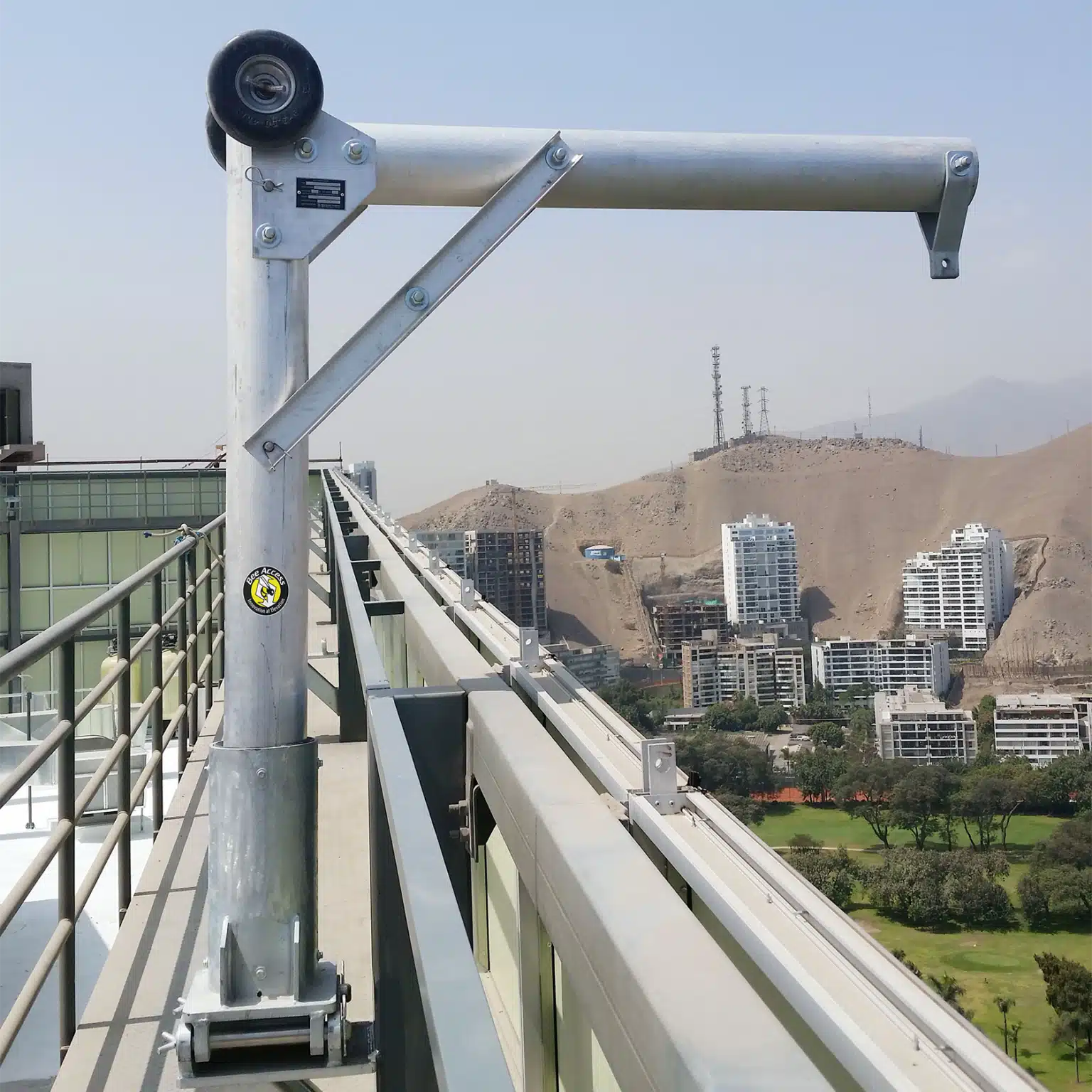
This includes designing:
These systems must allow safe access for:
Under Cal/OSHA Title 8 §3281–§3291, façade access equipment such as davits, outriggers, and building maintenance systems must be properly designed and supported as part of the building’s structure.
One of the most common issues in construction is that façade access is treated as an afterthought.
By contrast, early Exterior Building Maintenance (EBM) design ensures:
This is where Title 8 Builders delivers the most value—at the engineering and planning phase, not just installation.
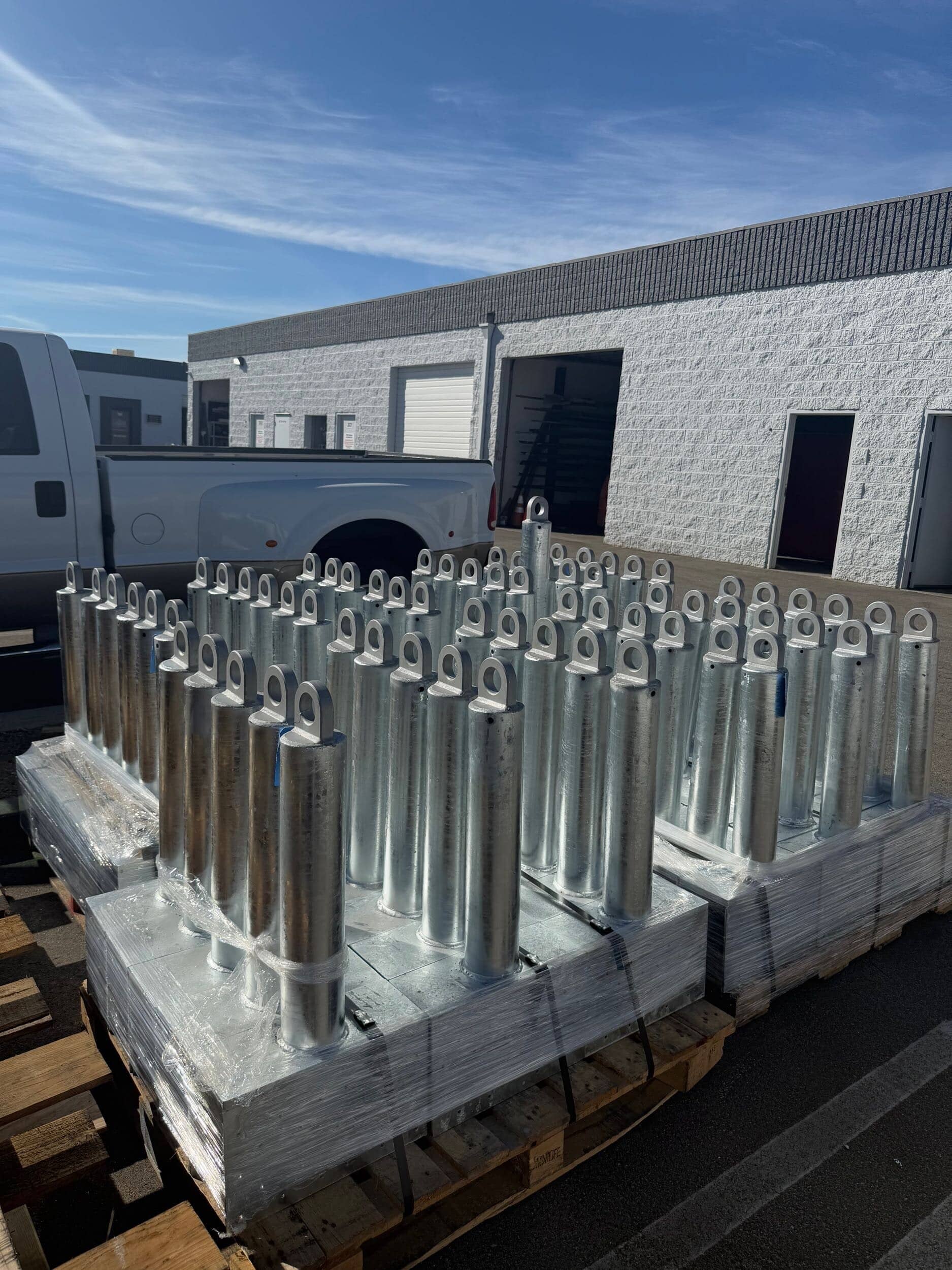
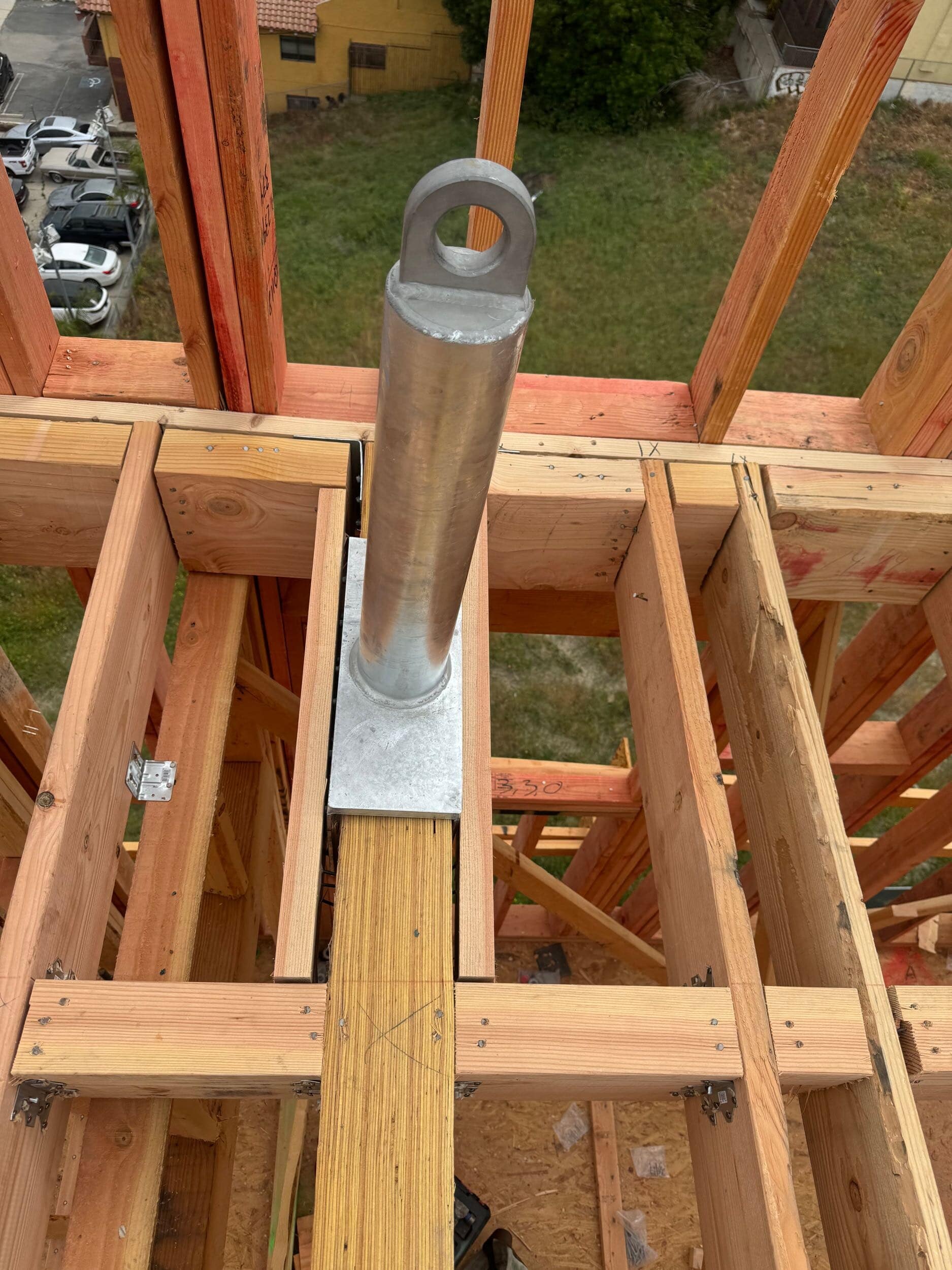
We design anchorage systems, load paths, and tie-back configurations to ensure structural performance.
Under Cal/OSHA Title 8 §3294, structures supporting façade access equipment must be designed under a qualified engineer.
We integrate EBM systems into architectural plans, structural drawings, and construction documents.
Many buildings were constructed without proper façade access systems.
We provide retrofit design services that evaluate:
Retrofit solutions allow building owners to correct unsafe conditions and bring their properties into compliance.
Exterior building maintenance systems must meet California safety requirements.
Under Cal/OSHA Title 8 §3291, systems must be supported by engineering calculations and properly integrated into the structure.
Additionally, §3296 requires inspection and testing to ensure continued safe operation.
Learn more about inspection and recertification.
Ideally during early design or preconstruction, though systems can also be engineered for existing buildings.
Davit systems, monorail systems, and anchor-based systems are commonly used depending on building design.
Yes. These systems must be engineered to ensure structural integrity and compliance with safety regulations.
Yes. Our in-house engineering allows us to design systems based on the building’s needs rather than a specific product line.
Buildings may require expensive retrofits, or maintenance crews may be exposed to unsafe working conditions.